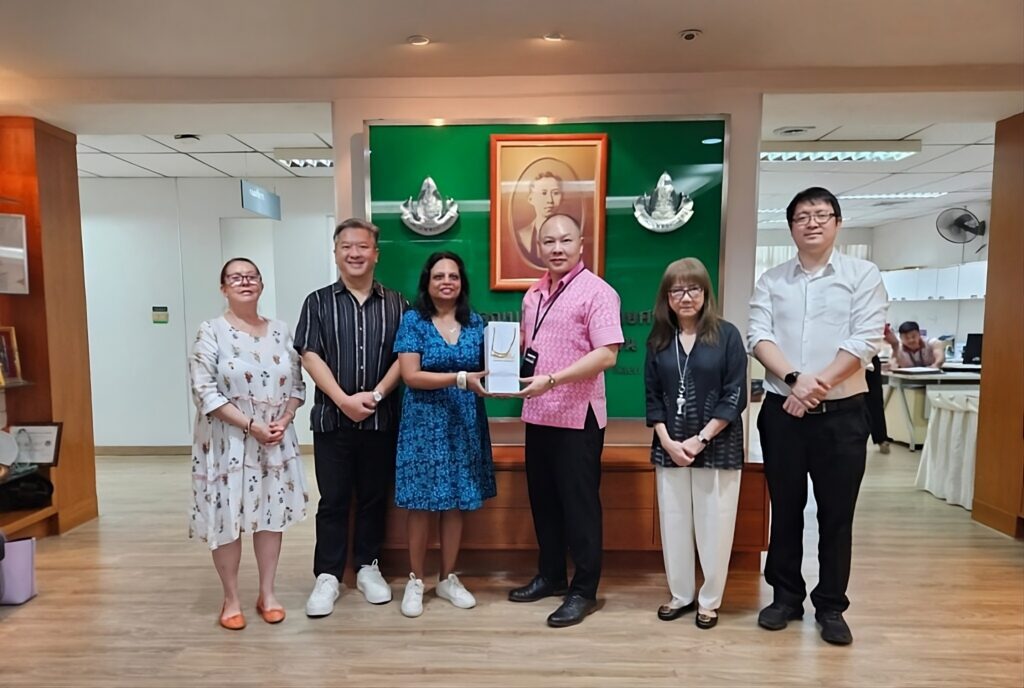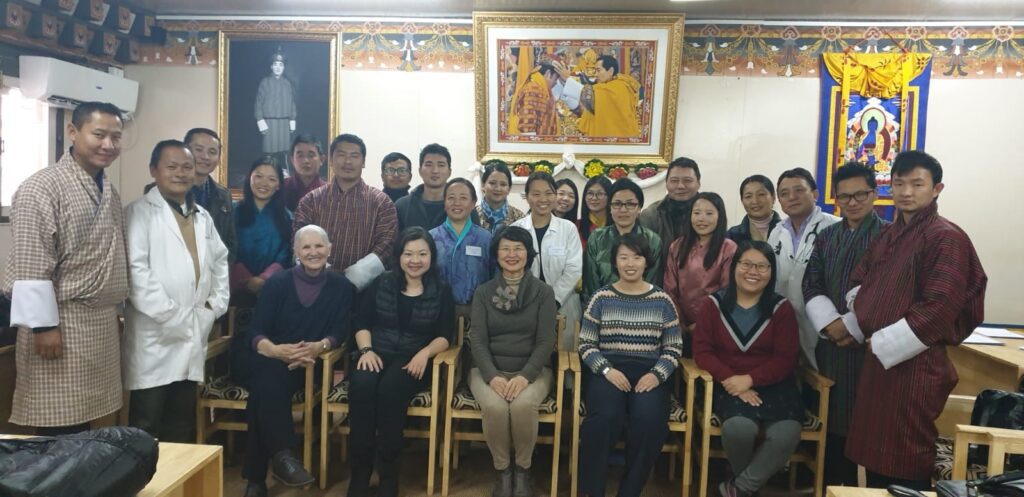

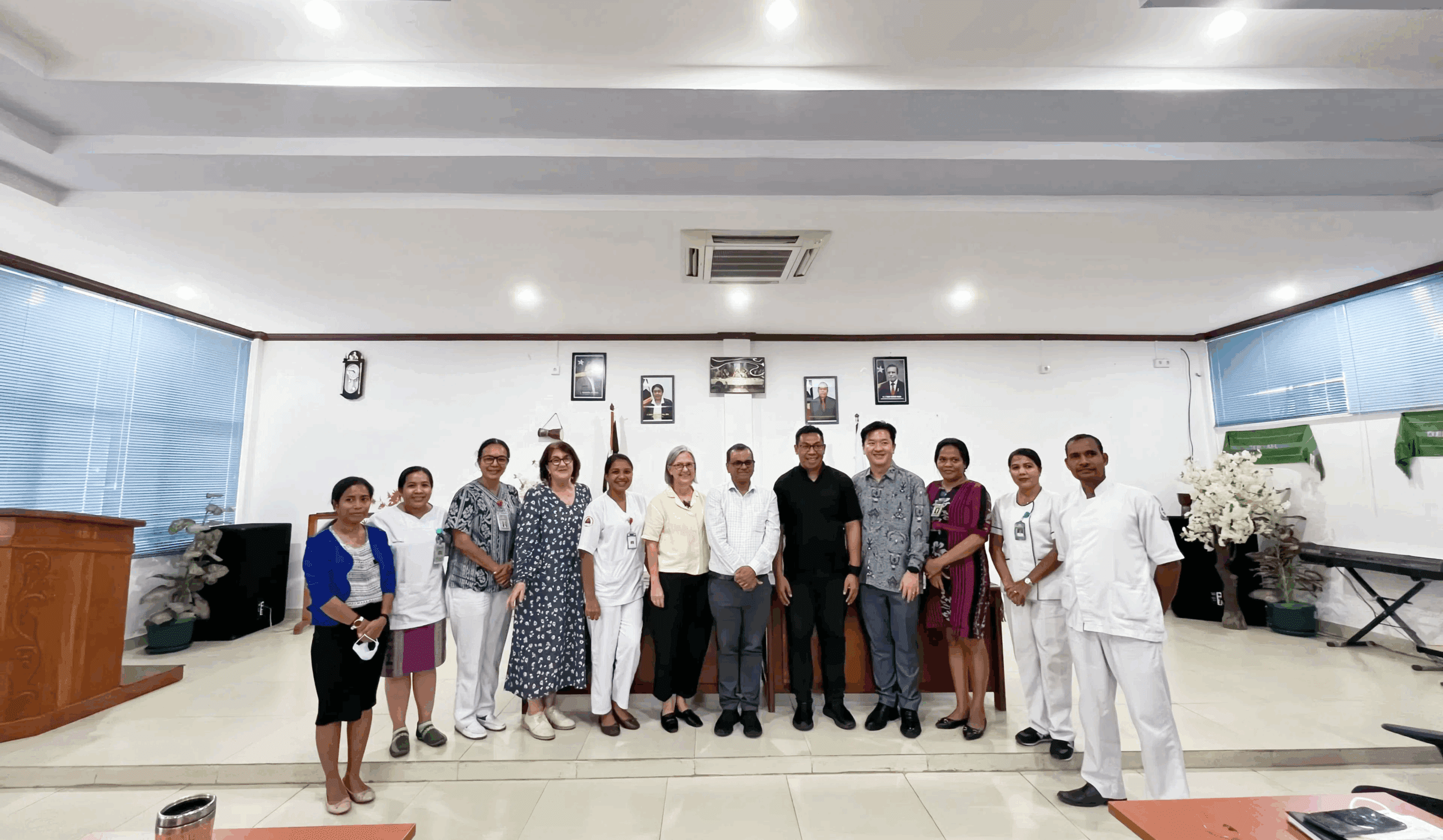
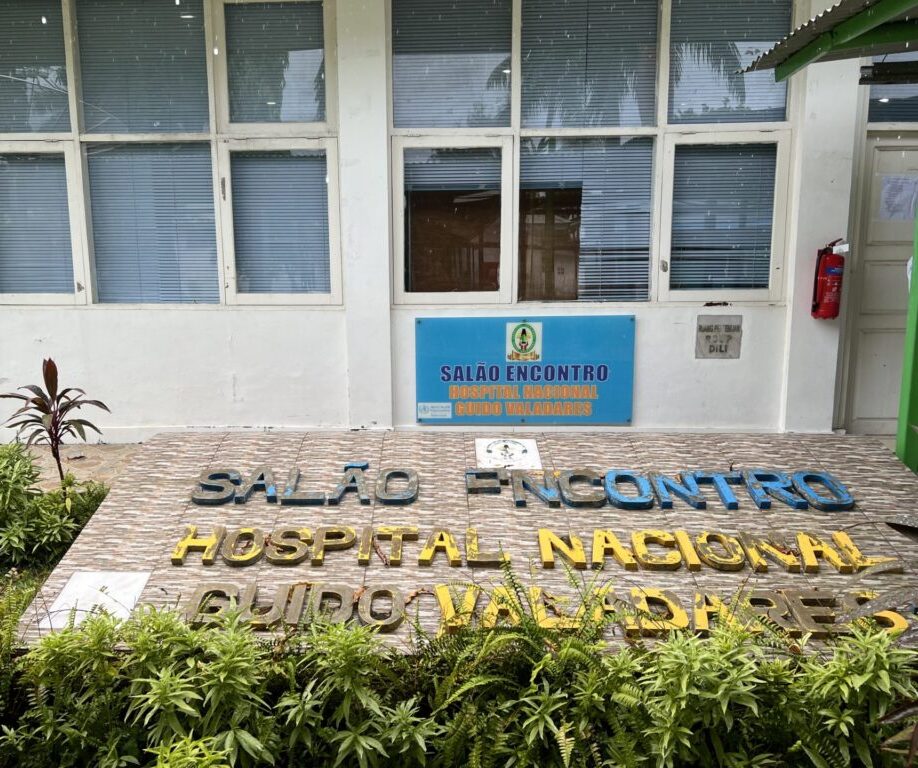
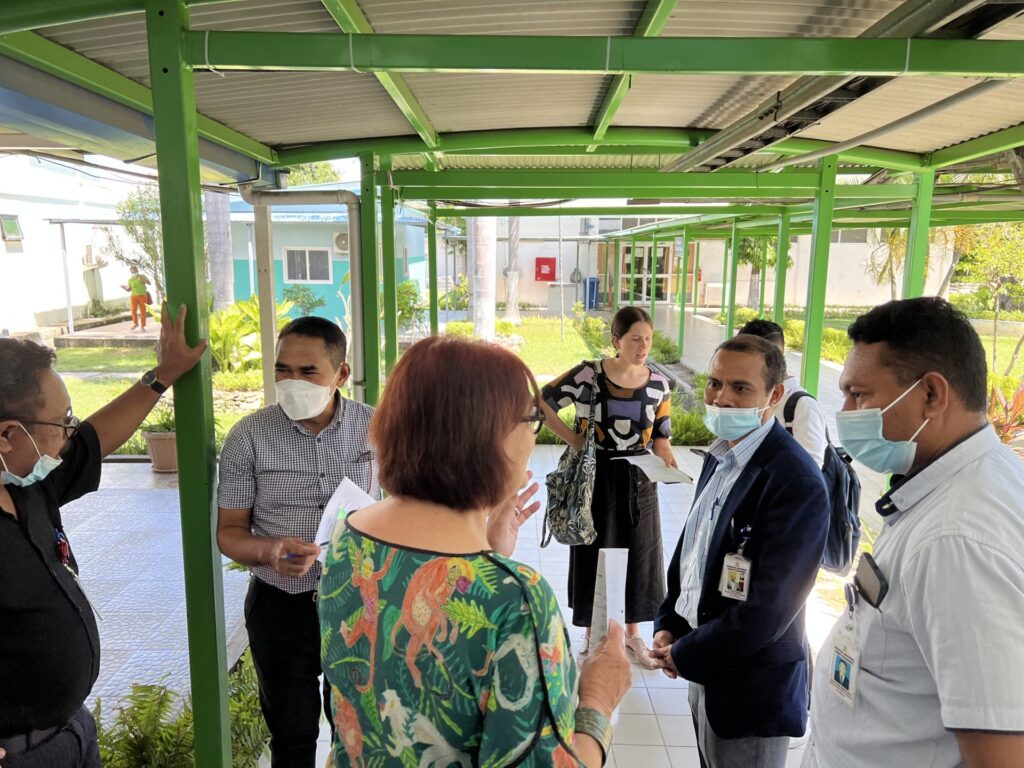
We visited the HNGV which played host to our visit. They are the largest hospital in the country, located within the nation’s capital, Dili.
The team was also privileged to meet with the Timorese Minister for Health Minister of Health, Excellency Ministra dr. Odete Freitas Belo.

Visiting Hospital Nacional Guido Valadares (HNGV)
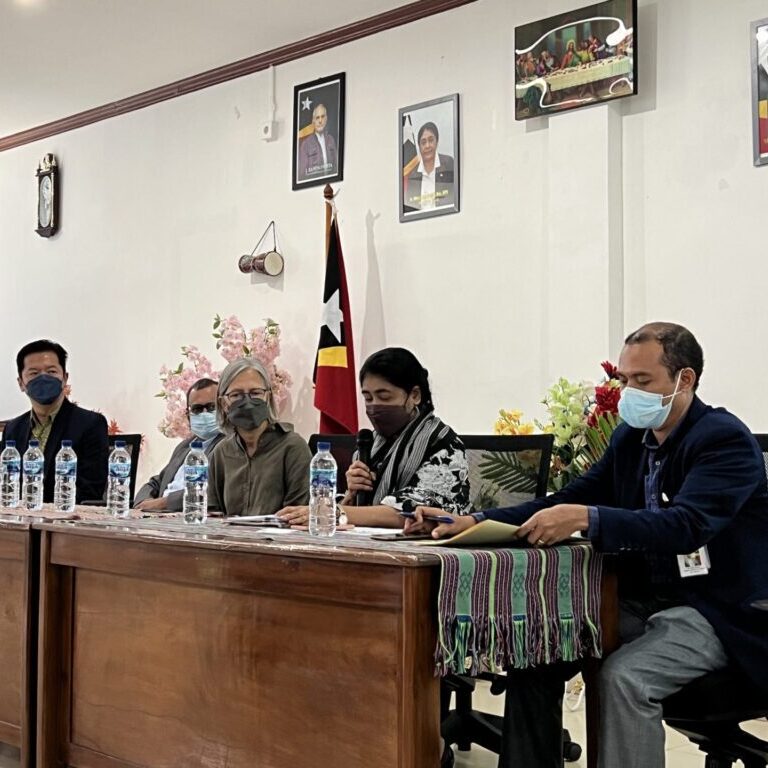
Dr. Alito Soares, the Executive Director of HNGV, spoke to the team and shared that he recognised the need for palliative care which resulted in the setting up of a palliative care ward at the hospital on 1 September 2022.
Throughout the trip, we got to interact with the various healthcare professionals from different disciplines at HNGV (e.g., doctors, nurses, psychologists, etc.) to find out more about their thoughts and attitudes toward palliative care. We were heartened to hear that majority of them recognised the need for palliative care not only at the hospital level but at the government and community level as well. They recounted cases of their many patients who could have benefited from palliative care instead of suffering toward the end of their journey. Furthermore, there seemed to be a lack of communication between the different levels of health care and no existing referral system. One such case that was shared involved a five-year-old boy who had lung fibrosis due to tuberculosis (TB) and chronic obstructive pulmonary disease (COPD) and thus was oxygen dependent. He was discharged from the hospital to a community health center (CHC) with oxygen provided by the hospital. However, when the oxygen ran out, the CHC did not replenish the oxygen and the patient was sent back to the hospital. It was situations like these that frustrated them the most and perpetuated their want to establish proper palliative care services at the hospital and community levels.
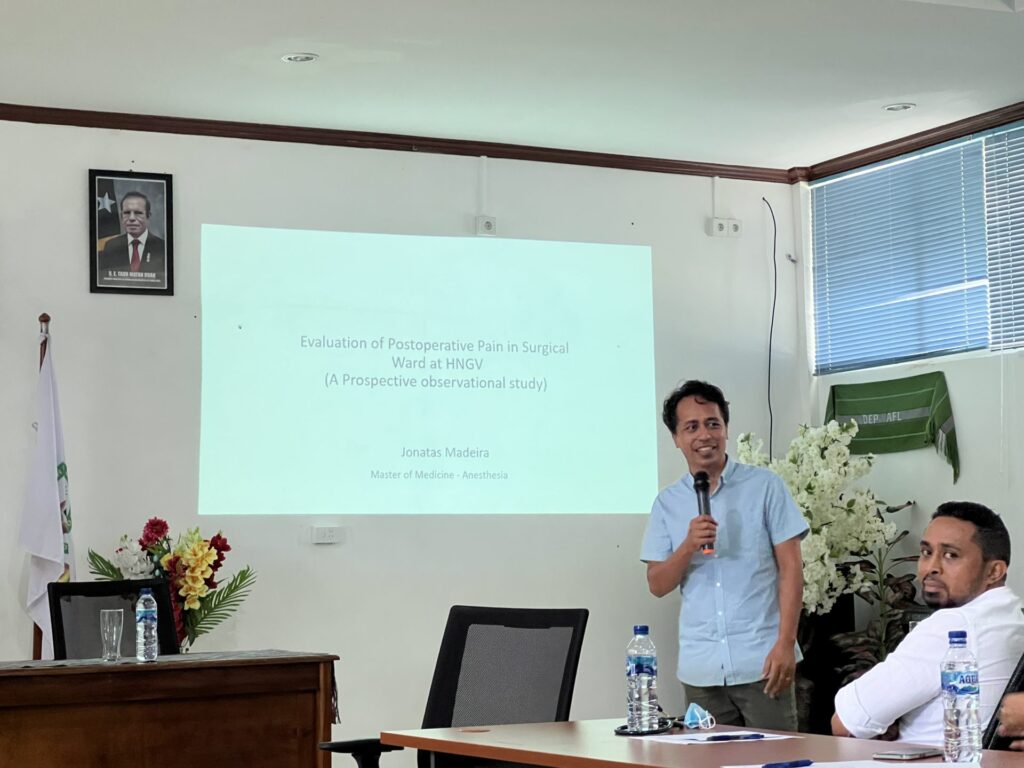
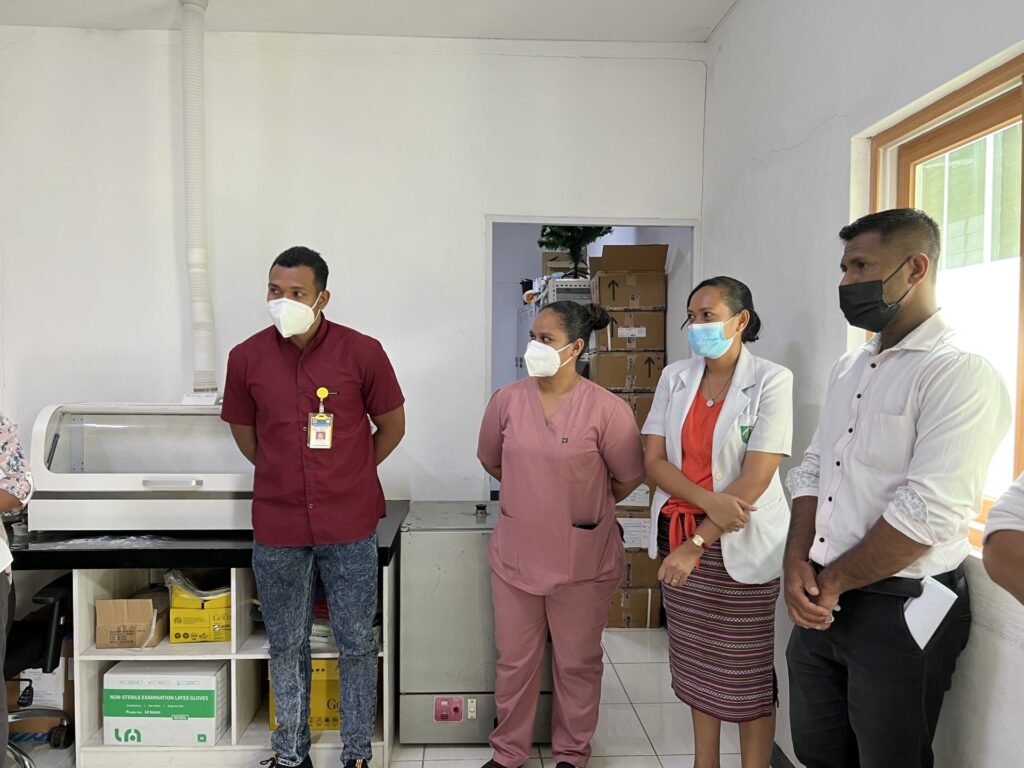
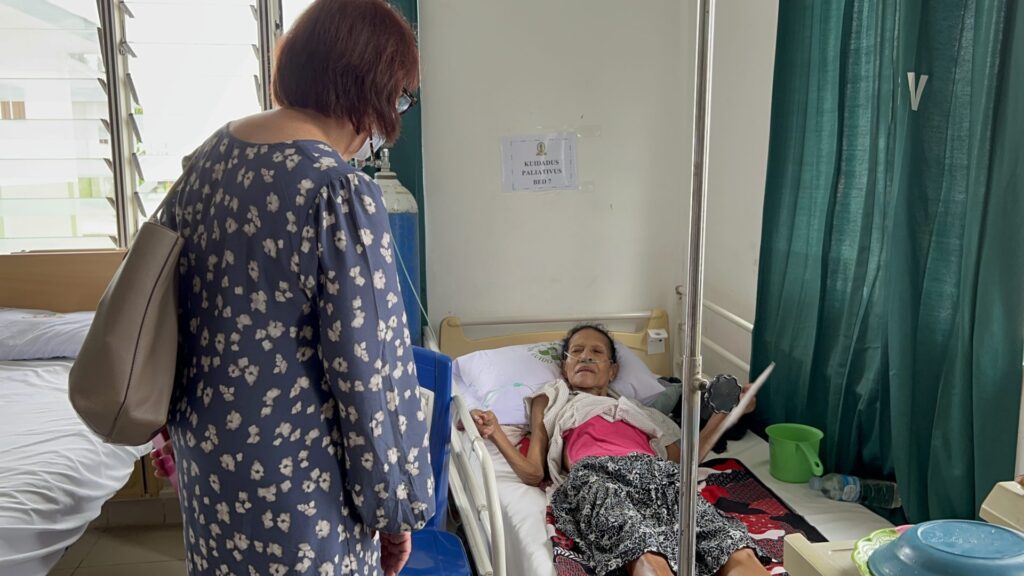
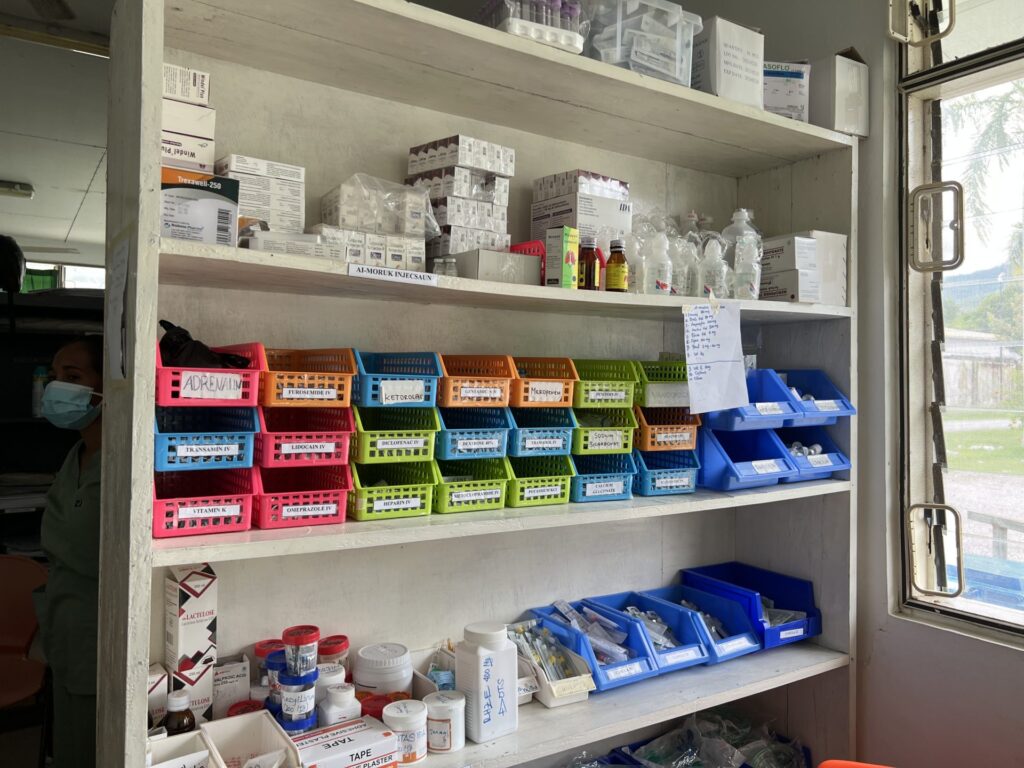
Palliative care came under the branch of the intensive care unit (ICU) at the hospital. They currently do not have any palliative care specialist doctors, hence, visiting doctors from different specialties would attend to their respective patients (e.g., the oncology doctor would attend to the oncology patients, pulmonologist would attend to COPD patients, etc.). Since setting up the palliative care ward, they have had a total of 21 patients. HNGV provides inpatient palliative care such as control of symptoms and treatment of any current acute illness. They offer oxygen and antibiotics for acute exacerbations of severe lung disease, pain management and physiotherapy. However, they have yet to provide home care and patients who are discharged are instructed on how to care for themselves or the hospital has an ‘open door’ policy that allows patients to return when they cannot cope at home.
-
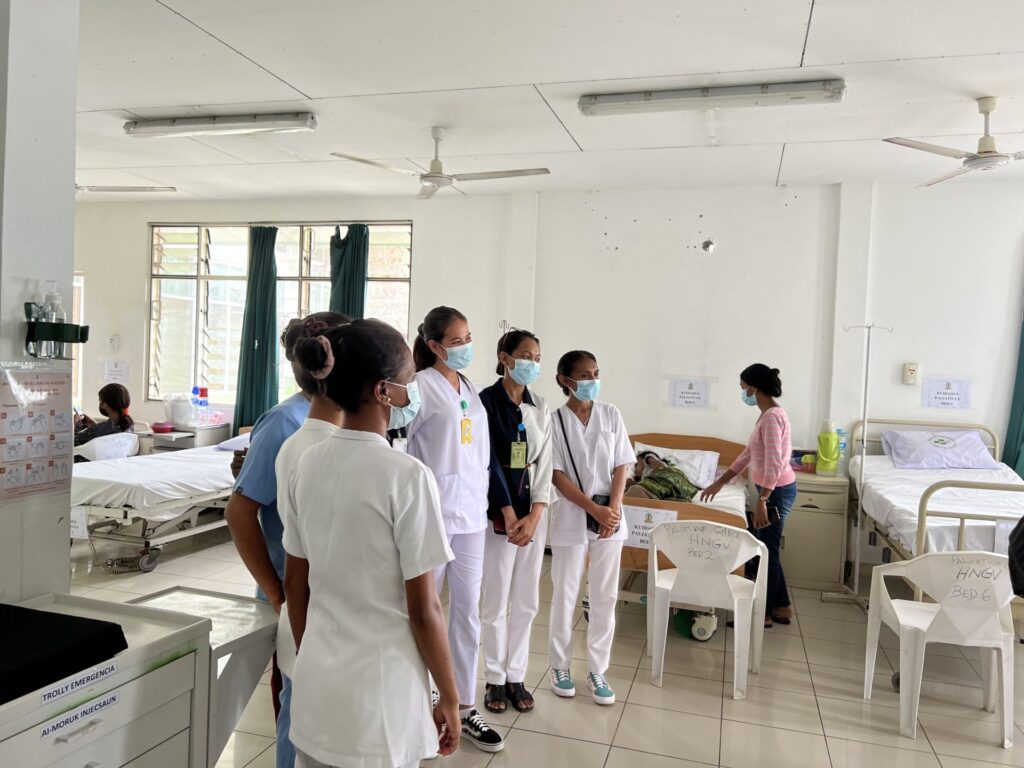
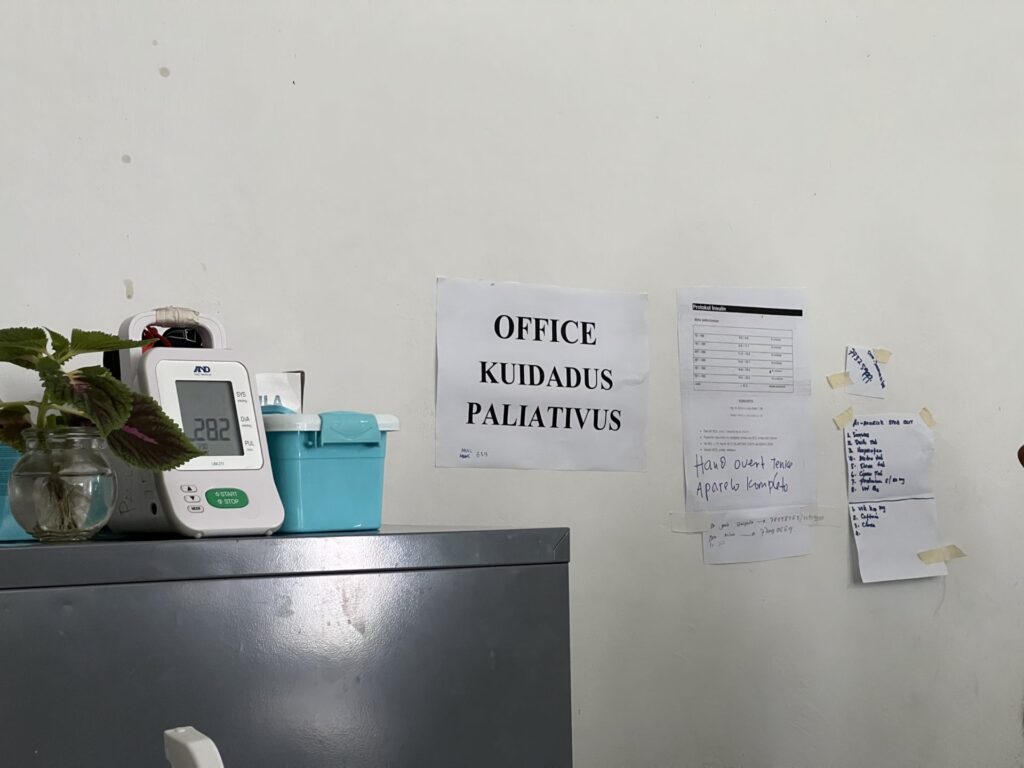
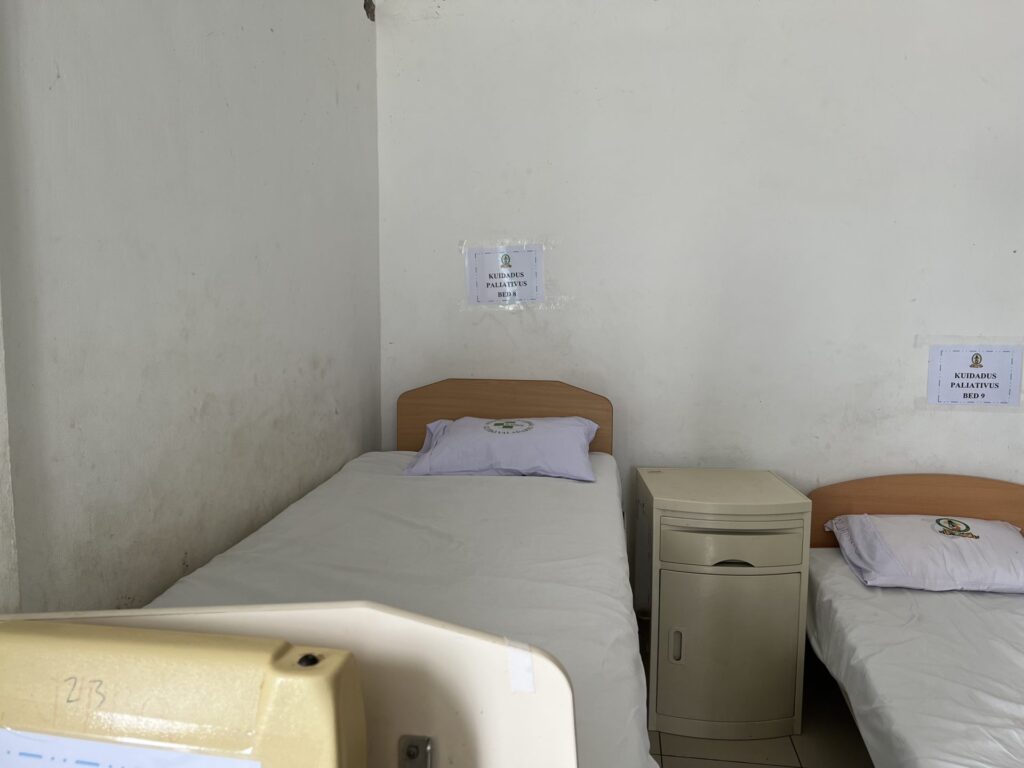
We were given a tour of the palliative care ward at the hospital, which was sanitary and well-ventilated.
-
However, there were only 10 beds and it was a mixed ward, which meant there was no privacy.
-
Ms Levita Alves, Head of Palliative Care at HNGV, shared her hopes for a ward expansion as well as palliative care training to improve patient care.
Dr Carl Susuairara, our focal point for the entire visit, arranged for us to meet with Dr Joaquim Freitas Soares, Director of Klibur Domin (KD). KD is a Timorese NGO based in Tibar, Timor-Leste, about 17 km from the capital Dili. They have three main programs: the Inpatients Program, providing care for low needs patients; the Community Based Rehabilitation program, which supports children and adults with disability and provides respite care and access to education; and the Tuberculosis (TB) Program, which provides care for patients with both TB and Multi-Drug Resistant TB. As we spoke to Dr Soares, we were able to gain a better understanding of the community He shared that a major factor that dissuades people in the community from going to health services when they are ill is the prevalence of strong traditional beliefs. Especially amongst the older generation, they would prefer to go to traditional healers instead. He believes that with the existing mindset of the community, it would be difficult to establish palliative care centers. However, he acknowledged the need for palliative care for the Timorese committee as well as the importance of having good communication between patients and healthcare professionals as it helps to build trust.

On the final day of the visit, we met with the representatives of the CHC’s, Maluk Timor and St John of God. At Maluk Timor, they train and empower the newly trained local doctors, nurses, community healthcare workers and health administrators to help build a strong, sustainable network of healthcare professionals. At St John of God, they focus on building the capacity of Timorese nurses, midwives and healthcare leaders through education and training, leadership and management, and clinical mentoring and support. Dr Lourenço Camnahas, Manager at St John of God Timor Leste, shared that there is usually one CHC per sub-district. The distance to travel to the CHC was approximately 15-20 km and the travel time was also dependent on the road condition and weather. These factors, coupled with paracetamol as the main medication to treat pain, resulted in people turning to traditional healers for pain relief. He mentioned there was a programme that conducted home visits in the villages. Programa Nasional Saúde na Família, was designed to bring a “Comprehensive Service Package of Primary Health Care” to the household level through domiciliary visits, clinical consultation, treatment and referrals by a team of health professionals, as well as recording the households and each of its member’s clinical profiles, which are then being entered into an integrated digitalized medical record system.
Pain relief is an integral part of palliative care and it is aimed at providing comfort and the prevention of suffering of the patients at the end of their lives. Throughout the trip, the team was informed about the issue surrounding the procurement of opioids as there was only a single entity that has the license to procure controlled narcotics in Timor Leste.
After meeting with enthusiastic individuals at different levels of healthcare, the team felt that there was potential to develop palliative care services throughout Timor Leste. Please look forward to our progress updates as we begin our work for Lien Collab in this nation.
Written by: Ms Trudy Giam (APHN Executive )